

hiking gloves summer
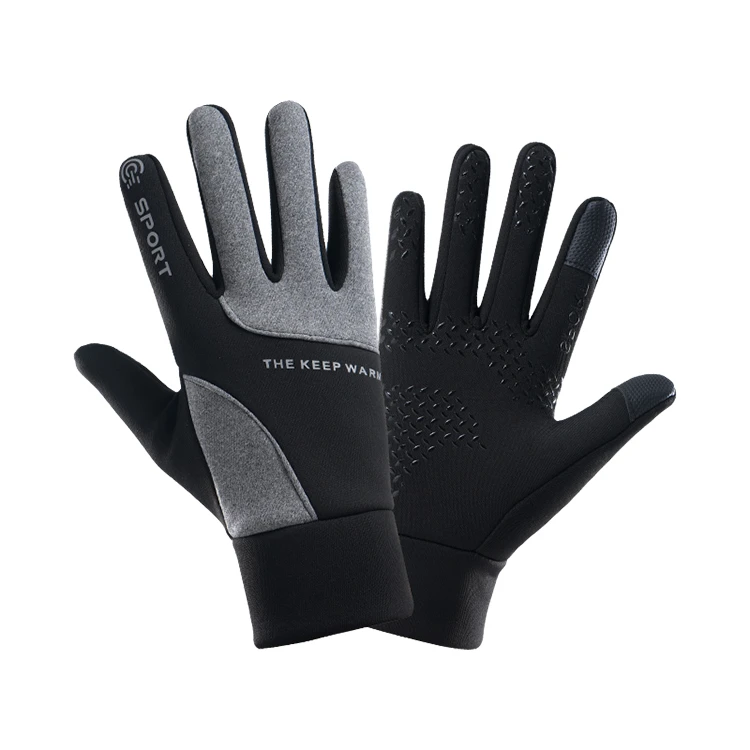
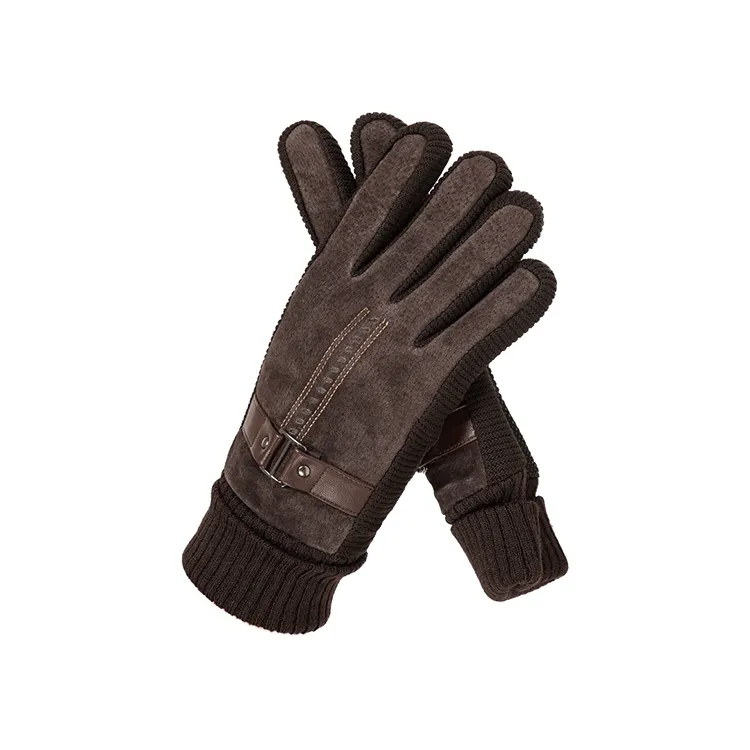
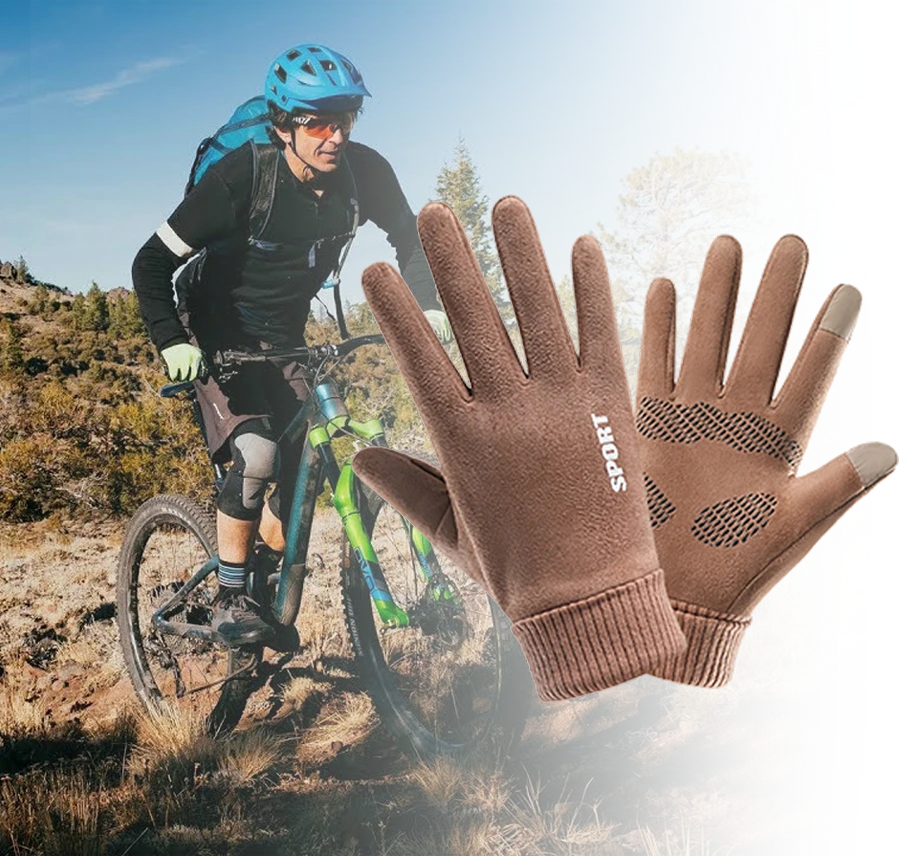
Thermal hiking gloves are a pivotal accessory for anyone who enjoys trekking in cold environments . When braving nature's elements, staying warm isn't just about comfort—it's crucial for safety. As temperatures drop dramatically, the body's extremities, like hands, are the first to suffer from cold stress. This makes selecting the right pair of thermal hiking gloves paramount to outdoor adventurers. An exceptional pair of thermal hiking gloves combines technology with design to ensure the optimal experience. A seasoned hiker knows that while appearance might catch the eye, the gloves' materials are the true heroes. Materials like Gore-Tex, Thinsulate, and fleece prove superior, offering water resistance, excellent insulation, and breathability. Gore-Tex, used in outdoor gear for decades, remains a top choice for its unparalleled water resistance and breathability, allowing moisture to escape while keeping external water out. Thinsulate, on the other hand, is renowned for its insulating capabilities without adding extra heft, maintaining finger dexterity and grip. When evaluating premium thermal hiking gloves, insulation is only a piece of the puzzle. Proper fit ensures better performance. Gloves that are too snug can restrict movement and cut off circulation, while options that are too loose could allow cold air penetration. Therefore, it's essential to allow for a snug but flexible fit, maintaining mobility for intricate tasks like operating trekking poles or adjusting zippers. An authoritative figure in the sphere of outdoor sports, Dr. Helen Fisher, a wilderness survival expert, emphasizes the importance of layering not just in clothing but also in accessories like gloves. By incorporating gloves with removable liners, hikers can adapt to fluctuating temperatures throughout their journey. As conditions change, wearing just the outer shell or only the liner can vastly impact comfort levels. Real-world experiences, shared by accomplished hikers, underline the significant difference quality makes. Take the seasoned climber Jack Anderson, for example. In his daring ascent of the Andes, Anderson vouched for his choice of thermal hiking gloves with reinforced palms, noting that their durability provided unmatched grip during treacherous climbs over ice-covered rocks. Such anecdotal evidence provides tangible assurances of quality and effectiveness. thermal hiking gloves Yet, only understanding current technology isn't sufficient. The modern consumer requires assurance of trustworthiness in their purchases. Product reviews and certifications serve as a testament to quality. Certifications from recognized institutions such as the American National Standards Institute (ANSI) can validate the gloves' durability, thermal insulating features, and overall quality. Analyzing trusted review portals where unbiased user feedback is collated can assist consumers in making informed decisions based on community experiences. Furthermore, expert recommendations have weighed in on how certain glove features enhance hiking experiences. Features like touchscreen compatibility allow the use of smartphones without exposing hands to cold, and cuffs with adjustable cords or velcro closures provide customizable fits that prevent snow and cold air from entering. In the competitive world of thermal hiking gloves, where technological innovations are ever-evolving, major brands like The North Face, Arc'teryx, Patagonia, and Columbia continue to push boundaries. Their research and development departments invest heavily in refining glove technologies, resulting in products that promise warmth, flexibility, and durability. In summation, selecting the ideal thermal hiking gloves isn't solely about insulation and comfort; it's about thoughtful design and evidence-based technology. The fusion of experience, expert recommendations, and certified trustworthiness create a credible product narrative, leading consumers towards informed choices. Such choices ultimately ensure a safer and more enjoyable hiking experience, proving that when it comes to outdoor gear, compromise should never be an option.
quality and competitive market prices.
-
Glove Sample Creation

 Glove Sample CreationCreate glove samples based on customers' designs and specifications, ensuring counter samples are completed and approved for production.
 -
Custom Branded Accessories Development

 Custom Branded Accessories DevelopmentSupport customers in sourcing and designing accessories and packaging with their private brand for a customized touch.
 -
Private Label Glove Production

 Private Label Glove ProductionManufacture gloves following approved samples with branded accessories, ensuring timely delivery of high-quality products.
 -
Quality Control and Testing

 Quality Control and TestingConduct thorough quality checks and testing throughout the production process to ensure gloves meet all customer requirements and industry standards before delivery.
Whether for work or sports, these gloves exceeded my expectations. Highly recommend to anyone looking for reliable hand protection!"